
Roof Leak vs. Plumbing Leak: What’s Causing a Ceiling Stain?
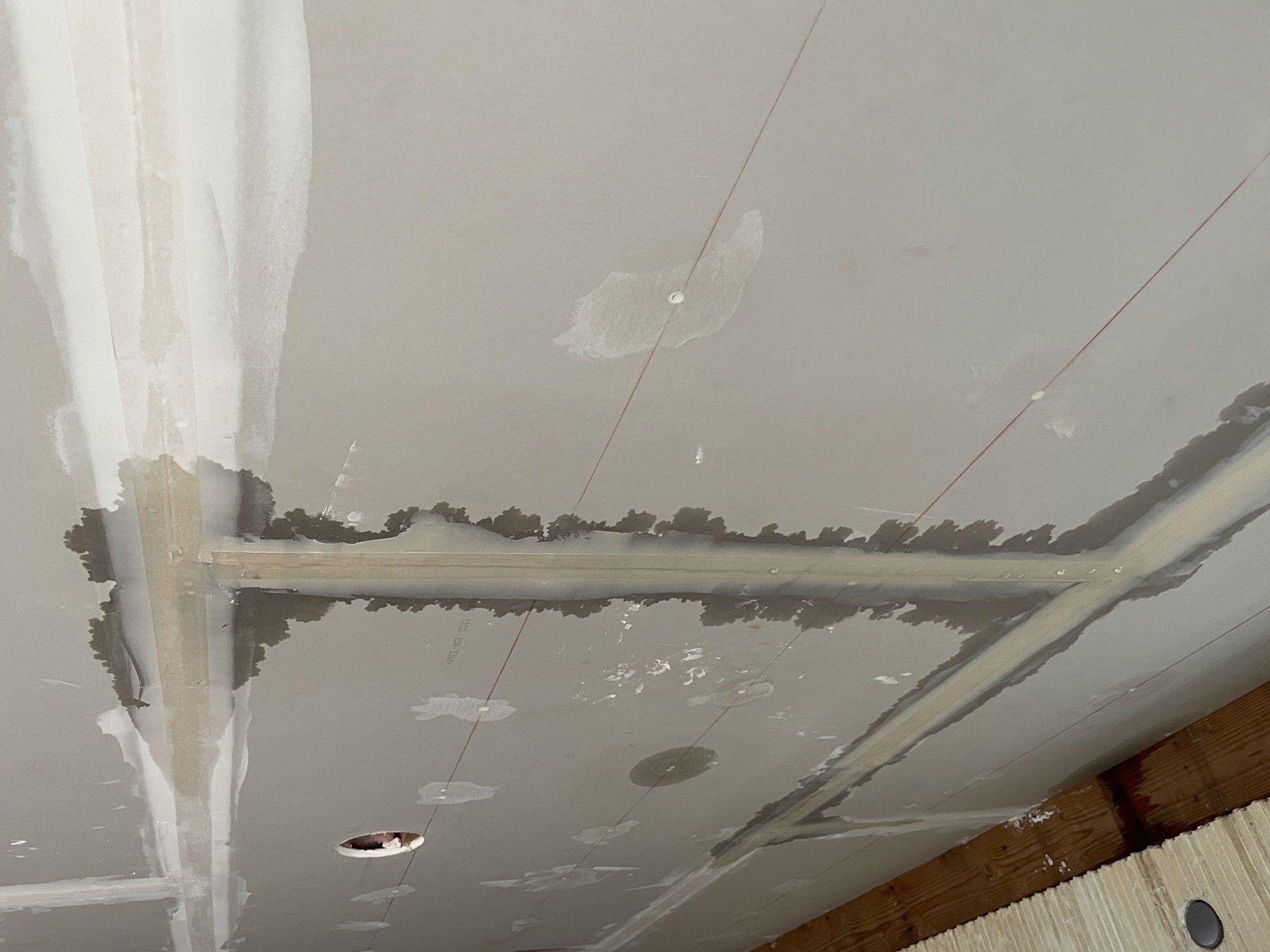
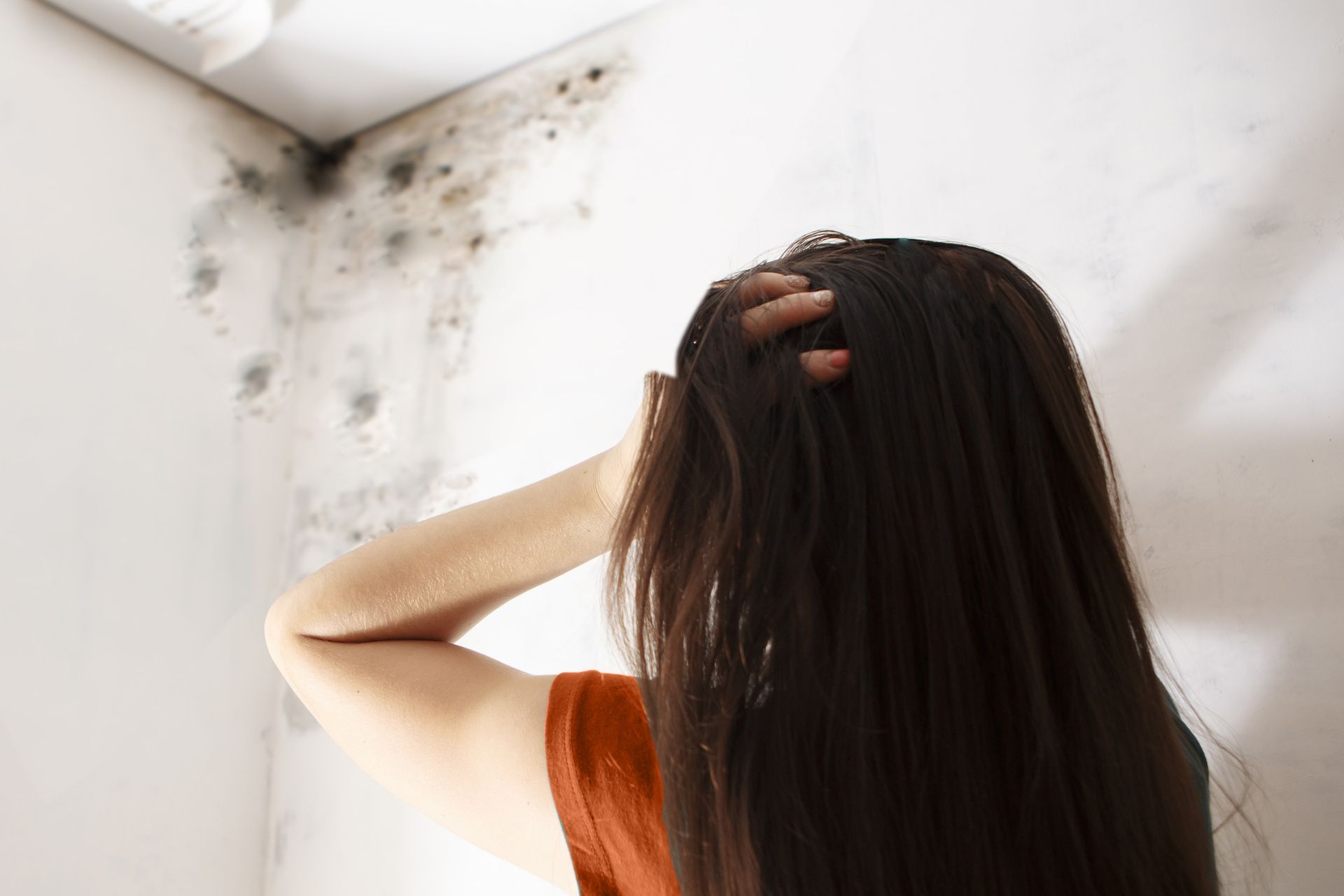
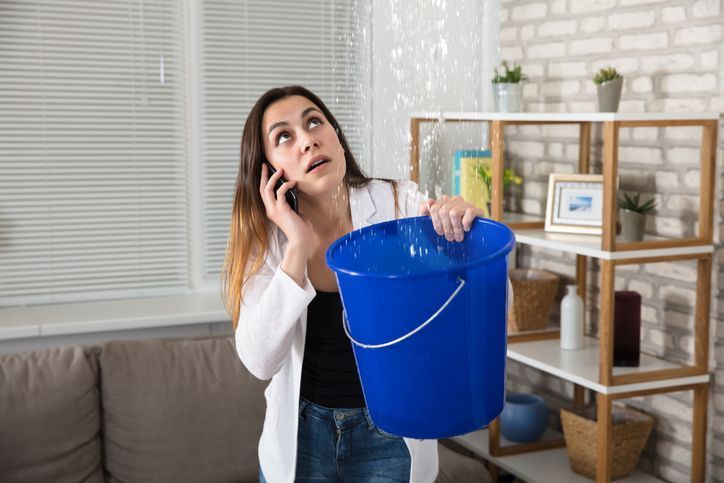
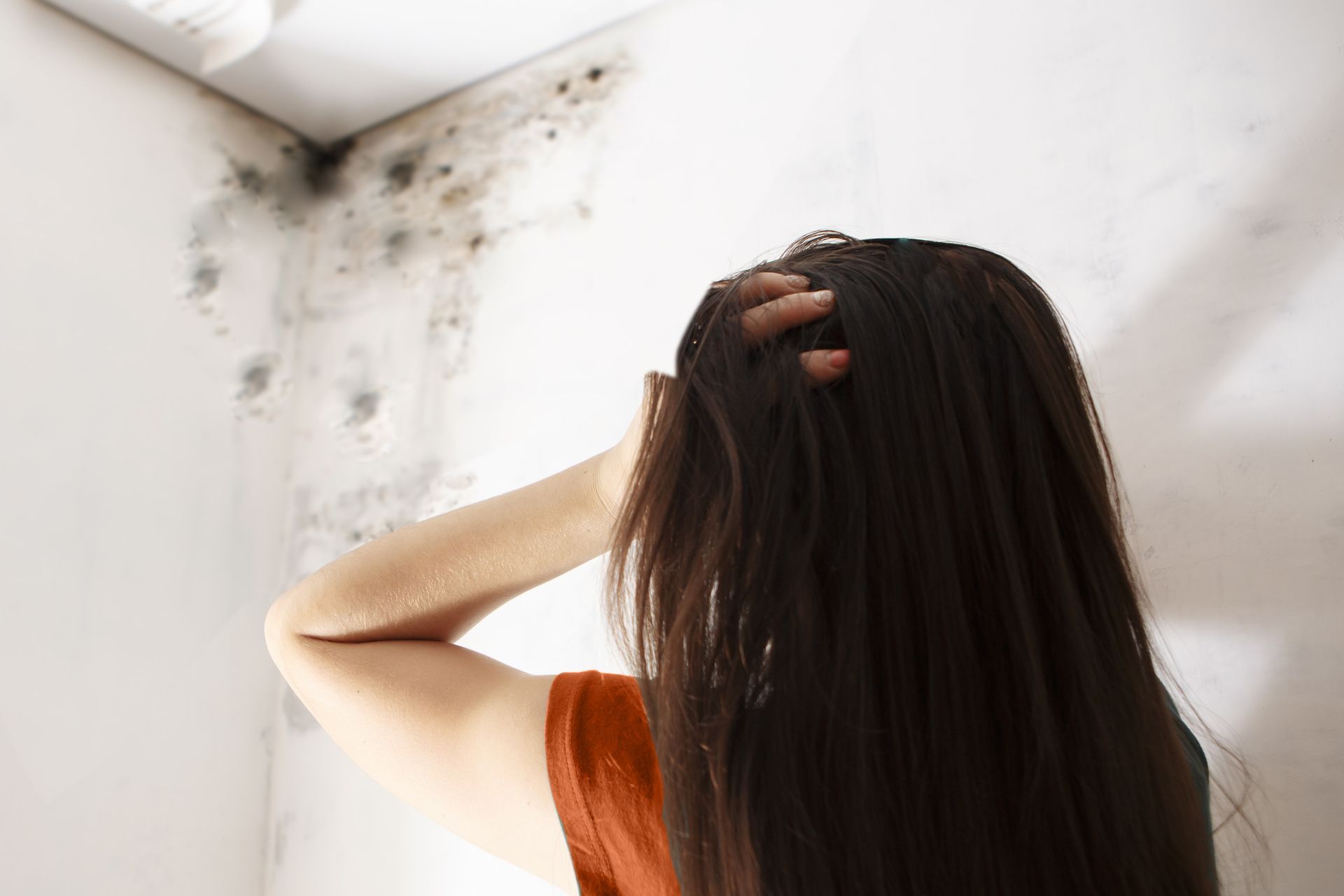
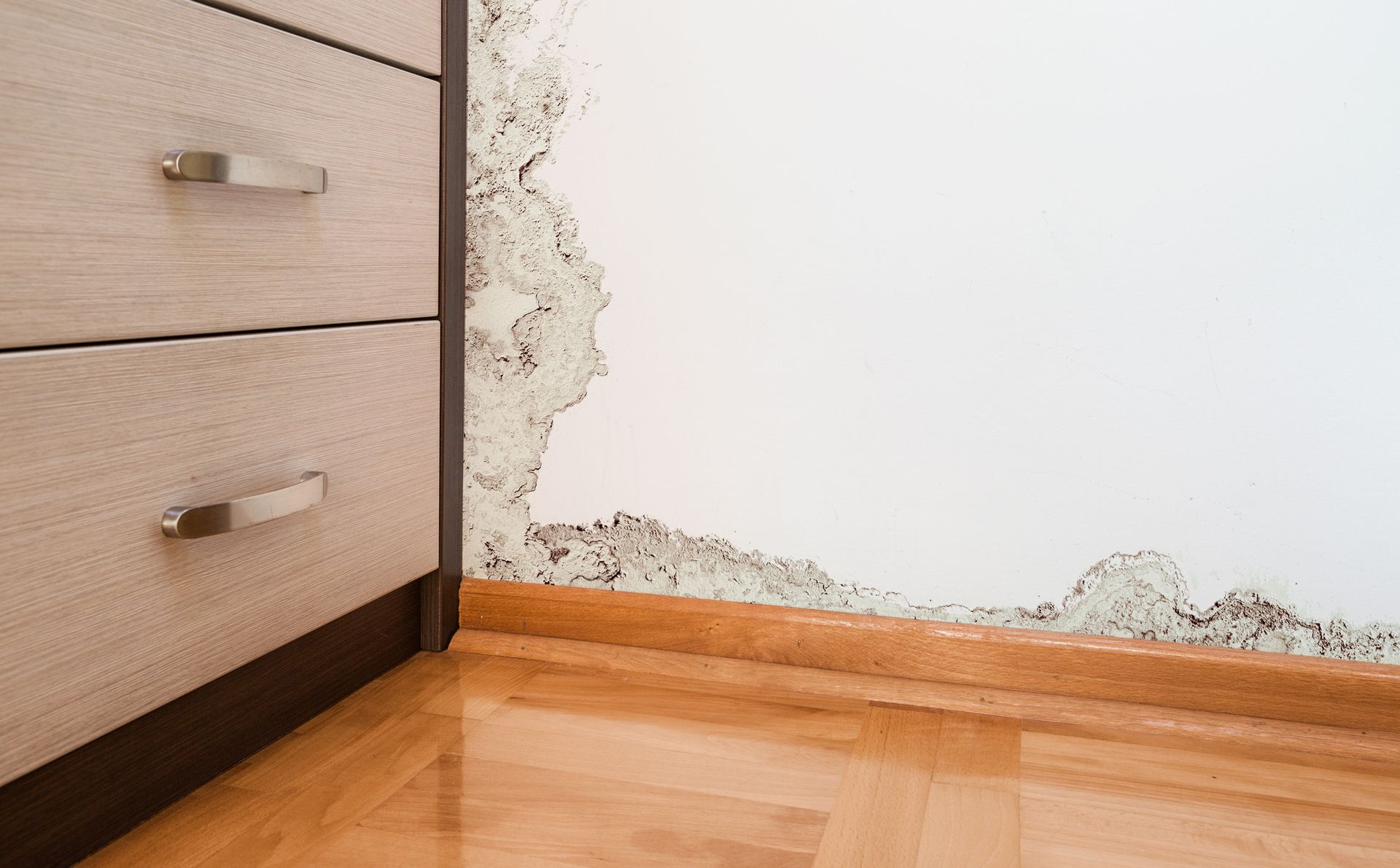
A ceiling stain can be easy to overlook at first. It may start as a faint discoloration or a slightly soft spot that does not seem urgent. Over time, that stain can grow darker, spread outward, or begin to drip. When that happens, many homeowners are left wondering whether they are dealing with a roof leak or a plumbing leak.
Understanding the difference matters because the source of the problem determines how it should be repaired and how quickly action is needed. Identifying the ceiling water stain cause early can help prevent further damage to drywall, insulation, and structural materials.
Why Ceiling Stains Are Often Misleading
Water does not always travel in a straight line. A leak may start far from where the stain appears, following framing, pipes, or insulation before becoming visible. This is why guessing the source can lead to missed repairs and repeated damage.
When evaluating a roof leak vs plumbing leak, it helps to look at timing, location, and surrounding conditions rather than relying on appearance alone.
Signs a Roof Leak May Be the Cause
Roof leaks are often tied to weather patterns. If a ceiling stain becomes darker after heavy rain or storms, the roof is a likely suspect.
Common indicators of a roof-related issue include stains near exterior walls, ceiling damage in upper rooms, or moisture that appears shortly after rainfall. Missing shingles, worn flashing, or clogged roof drainage can allow water to enter and travel downward before it shows up indoors.
Because roof leaks often worsen over time, ignoring them can lead to insulation damage and wood rot that remains hidden long after the stain dries.
Signs a Plumbing Leak May Be Responsible
Plumbing leaks are more consistent and less weather-dependent. If a ceiling stain continues to grow even during dry weather, plumbing is often the cause.
These leaks frequently appear below bathrooms, kitchens, or laundry rooms. Slow pipe leaks, worn fittings, or failing seals can release small amounts of water continuously. Over time, that moisture builds up and creates visible staining.
Plumbing-related stains may feel warm to the touch if hot water lines are involved, which can be another helpful clue.
How to Find the Water Leak Source More Effectively
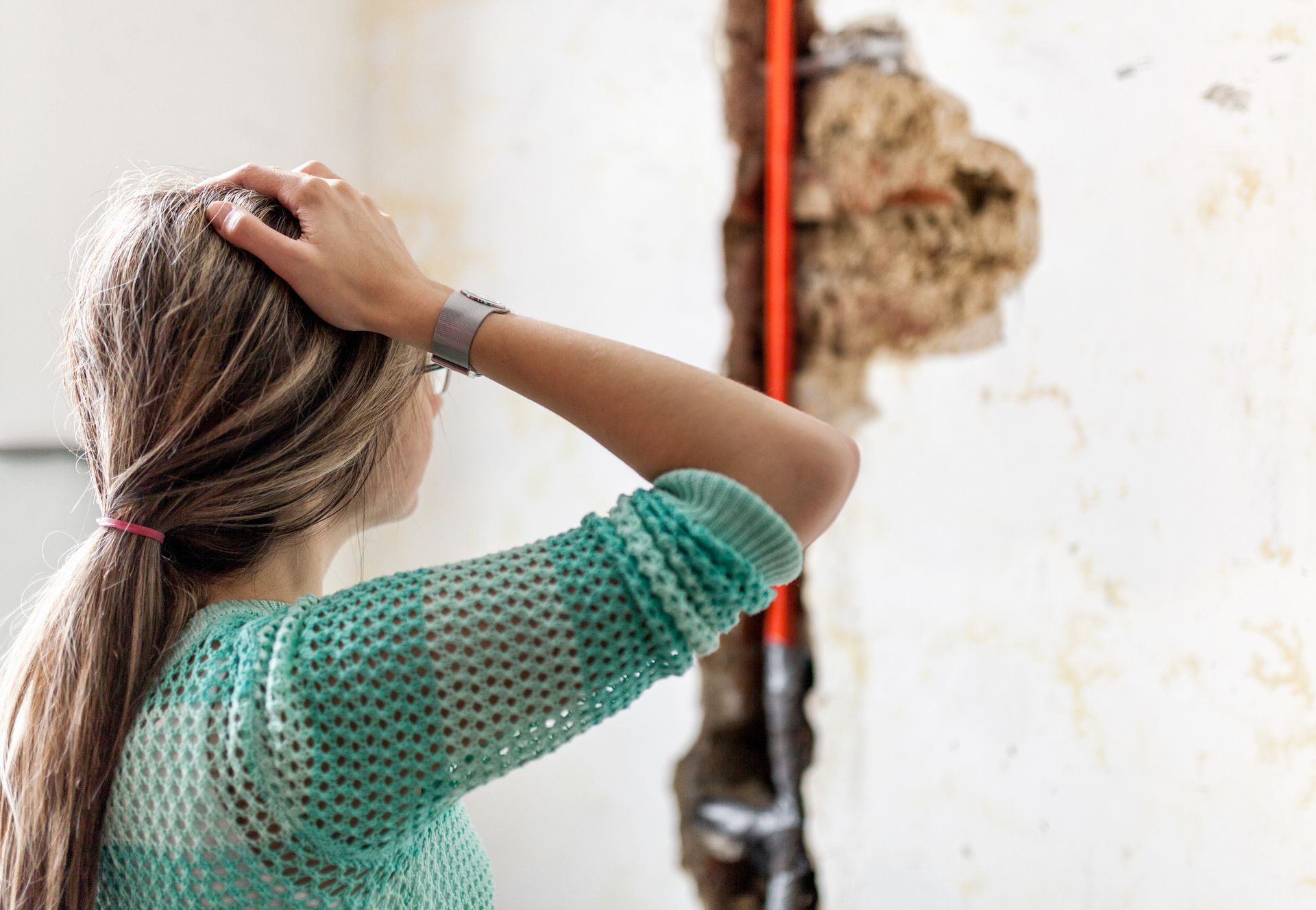
Homeowners often try to pinpoint leaks by cutting into drywall or making assumptions based on room layout. While this may occasionally work, it often leads to unnecessary repairs or missed damage.
A better approach to how to find water leak source involves observing patterns. Note when the stain changes, whether it grows after rain, and if plumbing fixtures are in use nearby. Checking attic spaces for damp insulation or visible moisture can also provide insight.
Still, many leaks remain hidden behind walls or ceilings, which is why professional detection tools are often needed to locate the true source without causing additional damage.
Why Early Detection Matters
Whether it is a roof leak or a plumbing issue, water intrusion rarely stays contained. Moisture spreads, materials weaken, and mold risks increase the longer a leak goes unresolved.
Quick action helps limit repair costs and reduces the need for extensive restoration. Homeowners searching for water mitigation services are often reacting to damage that has already spread, but early detection can prevent that situation entirely.
When to Call for Professional Help
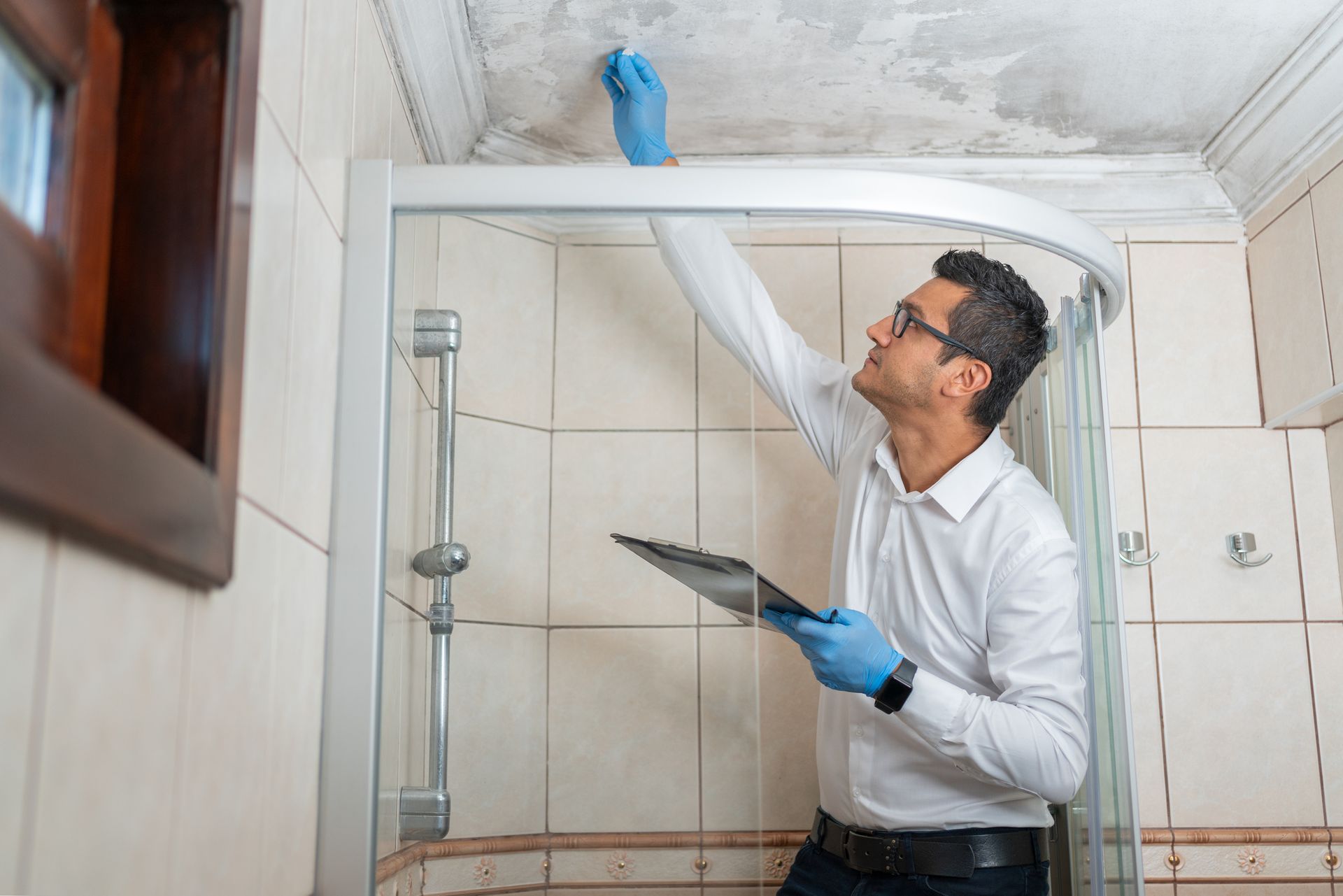
If the ceiling stain continues to grow, feels soft, or is accompanied by odors or bubbling paint, it is time to seek professional assistance. Leak detection specialists use moisture meters, thermal imaging, and experience to identify the source accurately.
This approach avoids guesswork and helps ensure that repairs address the actual problem rather than just the visible damage.
We Help You Find the Leak Before the Damage Gets Worse
If you are dealing with a ceiling stain and are unsure whether it is a roof leak or a plumbing leak, we are here to help. At True North Restoration of Hawaii, we provide professional leak detection services designed to identify hidden moisture sources quickly and accurately. We take the guesswork out of how to find water leak source issues so repairs can be handled correctly the first time. If you are searching for reliable water mitigation in Kailua-Kona, Waimea, Waikoloa, or a surrounding area on the Big Island, contact us today and let us help protect your home from further damage.